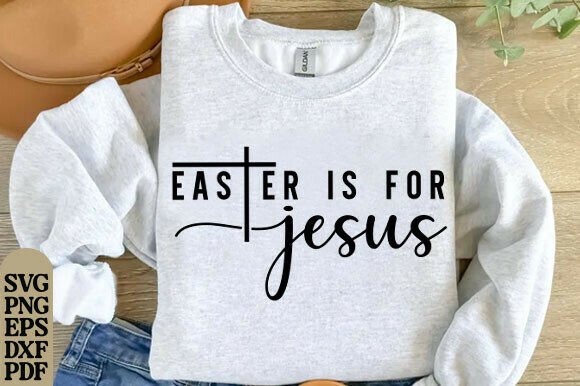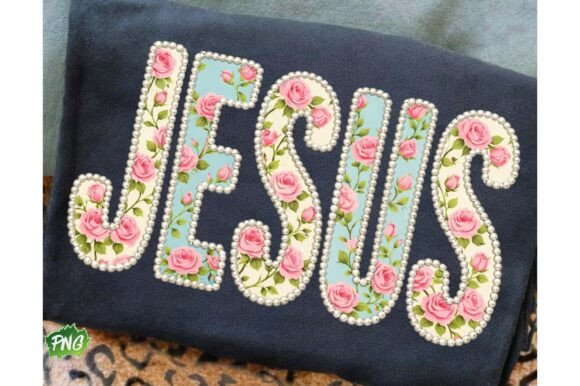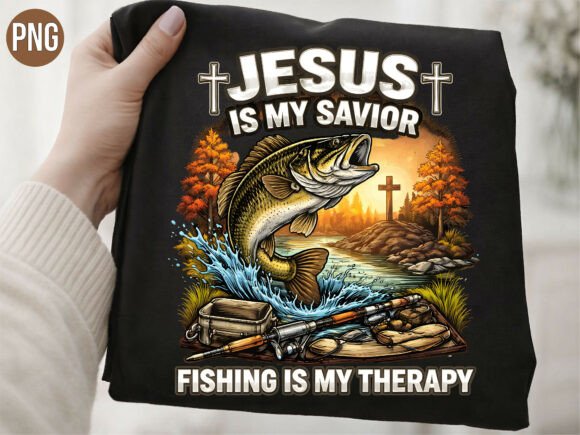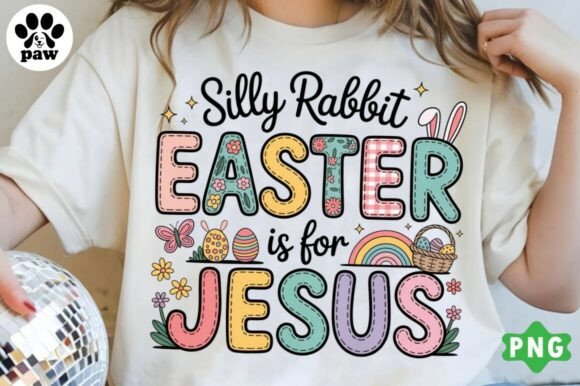
Silly Rabbit Easter if for Jesus PNG: T-Shirt Designs
First Impression: Playful, Faith-Filled, and Visually Approachable
Opening Silly Rabbit Easter if for Jesus PNG felt like flipping through a well-curated design bundle — instantly recognizable, emotionally warm, and clearly built for seasonal storytelling. The illustration features a soft-edged, hand-drawn rabbit holding a cross-shaped lily, with gentle Easter eggs nestled at its feet and subtle “He Is Risen” script in friendly rounded lettering. It’s not saccharine or overly literal — it strikes that rare balance between reverence and whimsy. For a client launching a spring collection of faith-based apparel, this graphic design asset landed as both on-brand and commercially viable.
Where It Shines: Real-World Design Applications
Silly Rabbit Easter if for Jesus PNG works exceptionally well across tactile and digital touchpoints. On t-shirt design mockups, it holds visual weight without overwhelming the garment — especially on heather grey or oatmeal tees where its warm palette pops cleanly. As a sublimation design for mugs and tote bags, the clean PNG transparency ensures crisp edges and no haloing. In packaging design for an Easter-themed handmade business, it scales beautifully on sticker sheets, gift tags, and product labels — particularly when paired with kraft paper textures or linen-finish cards.
For social media graphics, it anchors Instagram posts and Pinterest pins with immediate seasonal context and emotional resonance. When dropped into Canva templates or Cricut projects, the high-res PNG layers seamlessly over photos, gradients, or textured overlays. As part of a broader brand identity refresh for a local church’s Easter outreach campaign, it functioned as a unifying visual motif — appearing consistently on flyers, digital ads, printable wall art, and even sermon slide backgrounds.
Layout & Scale Considerations: Know Its Sweet Spots
This is a hero-level graphic design asset — best deployed in medium-to-large layout areas. It performs strongest as a central element: on front-of-shirt placements, poster headers, editorial banners, and product mockups for Etsy listings. Its illustrative charm shines in themed collections (e.g., “Easter Faith Bundle”) and campaign visuals where warmth and approachability are strategic goals.
It also excels as a decorative accent — think corner embellishments on invitation suites, subtle watermarks on blog visuals, or repeating motifs in printable design backgrounds. As a sticker design or SVG design component, it adapts cleanly to die-cut vinyl or iron-on transfers, especially when used with light-colored substrates.
Where to Proceed With Intention
Silly Rabbit Easter if for Jesus PNG isn’t ideal for minimalist branding systems or corporate-facing materials. Its expressive line work and layered detail soften at under 2 inches wide — so avoid tiny embroidery applications or fine-detail packaging seals. In crowded layouts (e.g., multi-element flyers with dense copy), it can compete for attention unless given generous breathing room.
Use carefully against complex or low-contrast backgrounds — test rigorously on dark mode UIs and busy photo backdrops. It doesn’t pair naturally with ultra-thin sans serifs or rigid geometric logos; instead, it harmonizes with rounded sans serifs, friendly scripts, and warm display fonts. Skip it for professional legal or financial marketing visuals — its tone is intentionally personal, not institutional.
Designer Notes: Practical Checks Before Client Use
- Test in black and white: Confirm readability and contrast integrity — especially for screen printing or monochrome merch.
- Preview on light/dark backgrounds: Verify transparency works as expected; some PNGs include faint anti-aliasing halos.
- Scale it down and up: Check legibility of text elements at 1.5” width and impact at 12”+ for posters or banners.
- Drop it into real mockups: Use t-shirt, mug, and sticker mockups — not just flat previews — to assess proportion and tone.
- Review file formats: If offered as SVG design, confirm vector paths are clean and editable; if only PNG, check resolution (ideally 300 DPI at 10” width).
- License verification: Confirm commercial license covers print-on-demand, digital resale, and client deliverables — never assume.
- Font pairing tests: Try it beside Montserrat, Quicksand, Pacifico, and Cormorant Garamond — note how hierarchy shifts.
Impact on Brand Trust, Hierarchy, and Audience Connection
Used thoughtfully, Silly Rabbit Easter if for Jesus PNG strengthens visual trust by signaling authenticity and intentionality — it feels hand-selected, not algorithmically generated. Its emotional appeal lands strongly with families, faith communities, and small business audiences who value warmth over polish. In editorial design or web design contexts, it elevates mood without sacrificing clarity — readers immediately grasp theme and tone before reading a single word.
That said, consistency matters: if your client’s brand identity relies on strict color palettes or typographic rules, this asset must be adapted — not dropped in raw. I adjusted the egg highlights to match the client’s brand coral before finalizing their packaging design. That kind of thoughtful integration separates usable clipart from true creative design assets.
Final Verdict for Professional Designers & Sellers
Silly Rabbit Easter if for Jesus PNG is more than a holiday clipart download — it’s a flexible, emotionally intelligent design asset built for real-world use. For Etsy sellers, print-on-demand creators, Cricut users, and small business branding projects, it delivers instant seasonal relevance with craft-level execution. It supports storytelling, reinforces brand voice, and performs reliably across physical and digital outputs — provided you test, adapt, and align it with your client’s visual strategy.
If you’re sourcing for a spring launch, Easter campaign, or faith-based product line, this belongs in your shortlist — not as a placeholder, but as a considered creative design choice. Just remember: great design isn’t about finding the perfect asset — it’s about knowing exactly how, when, and why to use it.